Experience
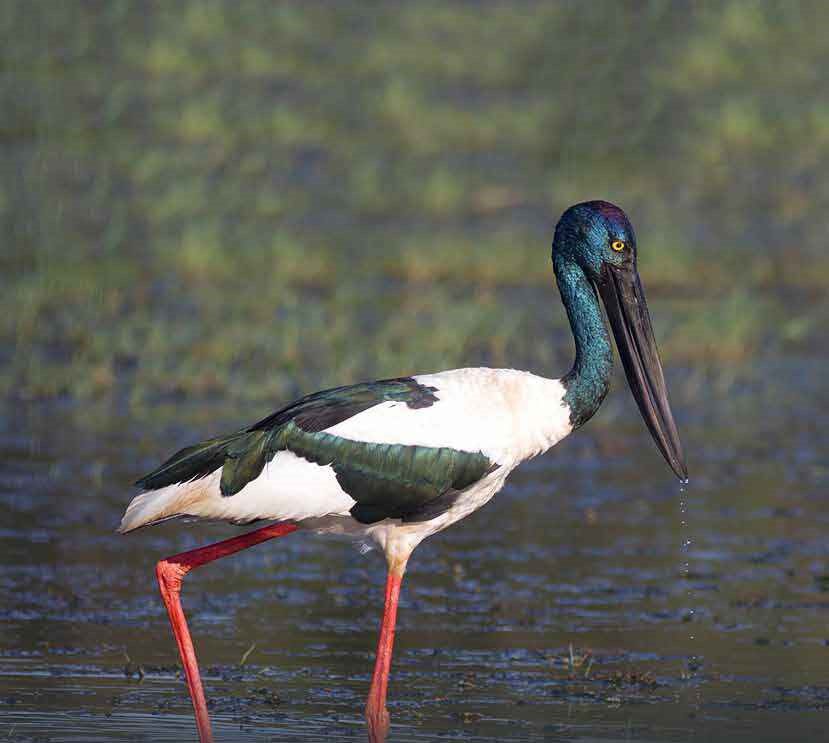
Northern Sri Lanka, once impacted by the separatist conflict, is now home to natural beauties like the Kokkilai Bird Sanctuary. This sanctuary displays the nation’s abundant biodiversity and was recently recognised as a refuge.
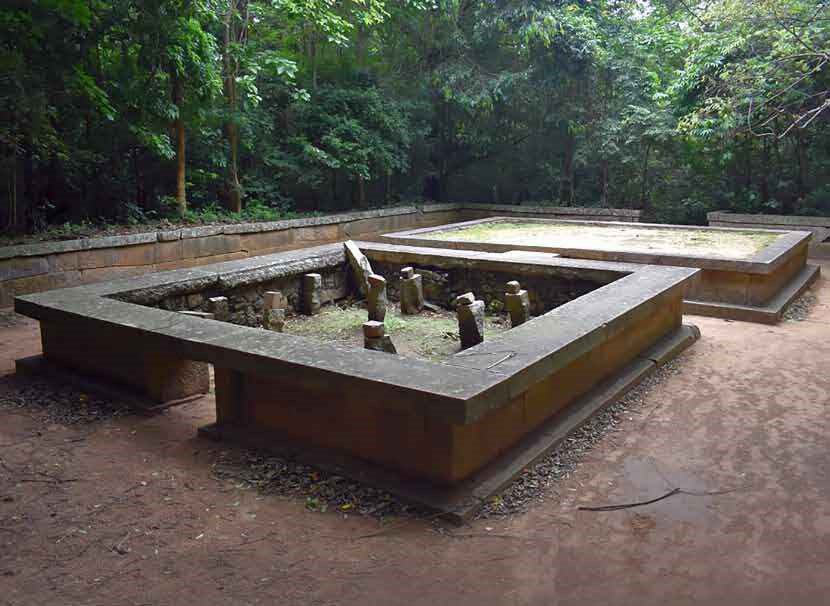
At Ritigala, in the middle of jungle trails, are the tranquil, undisturbed ruins of an ancient Buddhist monastery dating back to the 1st century BC. Located near Habarana, the monastery is a secret treasure trove of Sri Lanka’s ancient past, with more than 70 caverns and a massive granite pool that served the Bhikkhus who resided at Ritigala.
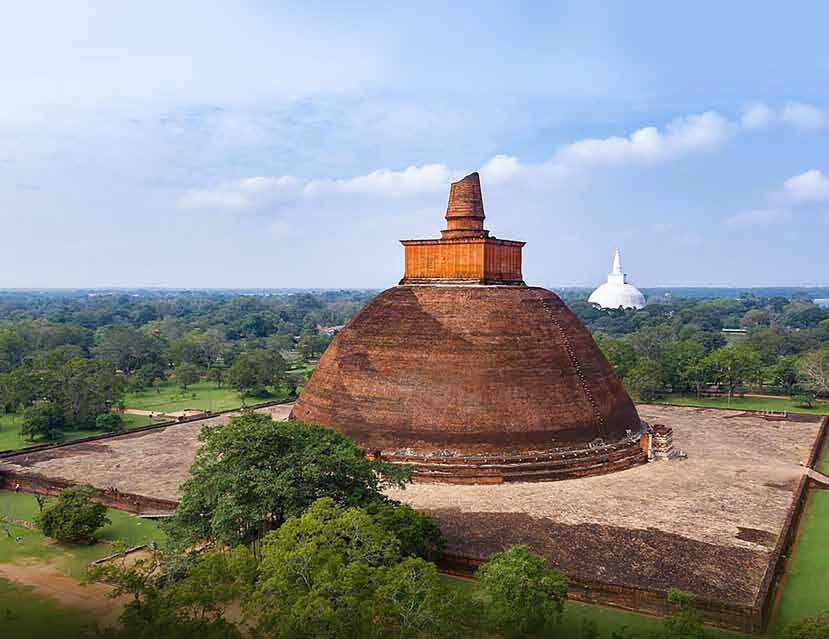
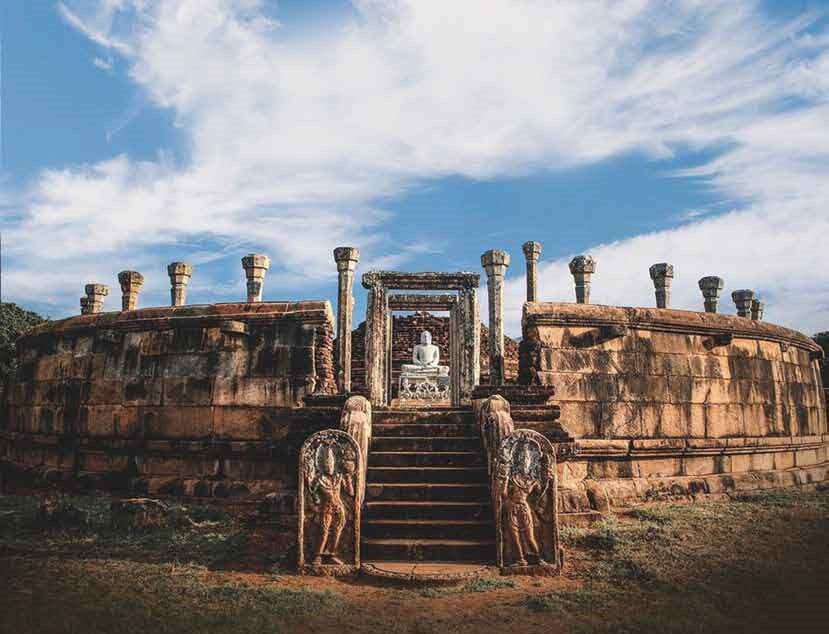
Ancient ruins dating back to the 5th century BC and contemporary life coexist in Anuradhapura, Sri Lanka’s first capital and a UNESCO World Heritage Site. The city is still a revered centre of history and culture, known for its extensive network of Buddhist temples and monasteries.
In 528 BC, two Indian merchants, Thapassu and Bhalluka, were shipwrecked north of Trincomalee and enshrined a Buddha hair relic at Thiriyaya. This sacred site, now Girihadu Seya, is believed to house Sri Lanka’s first pagoda, which was constructed during Buddha’s lifetime.
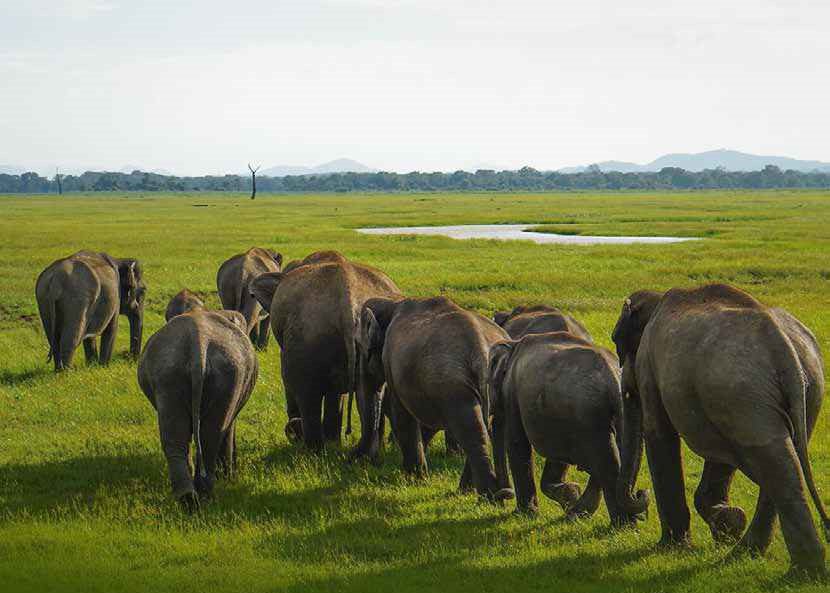
Located between Habarana and Polonnaruwa, Minneriya National Park is well-known for its varied wildlife and historic Minneriya Tank. “The Gathering” features hundreds of elephants during the dry season who frequent the dried-up tank for succulent fodder.
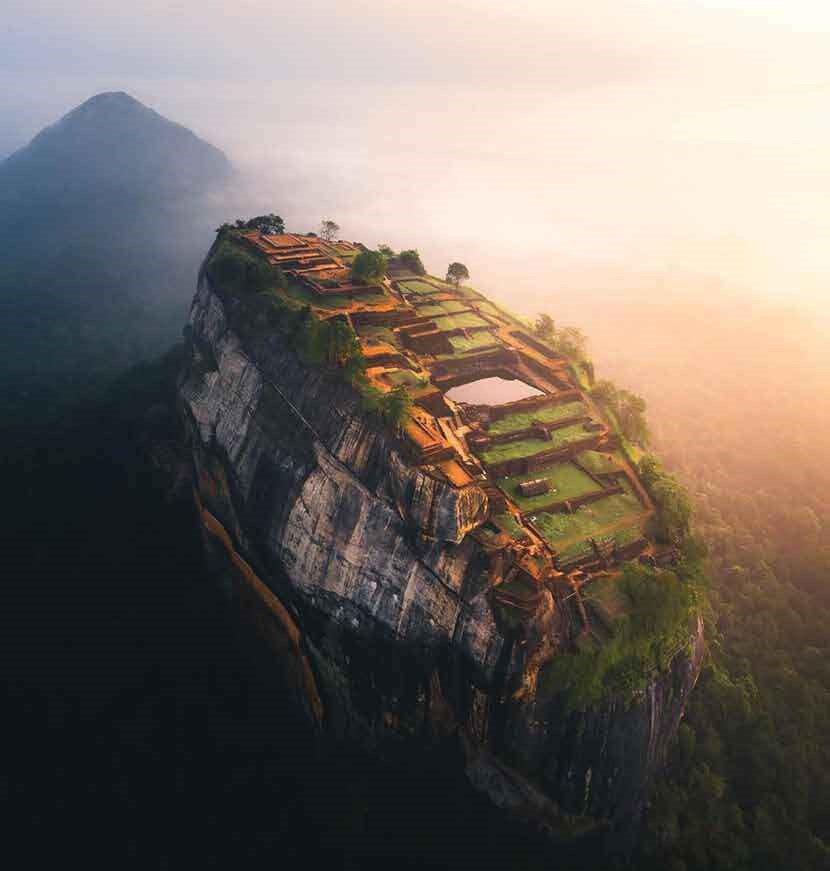
In 5th century AD, King Kassapa constructed Sigiriya, often known as the “Lion Rock,” a UNESCO World Heritage Site. It is well-known for its historic urban design, frescoes and is close to Dambulla, another historical site. Sigiriya has well laid-out gardens, frescoes, and provide breathtaking views from the 350 m rock surface.

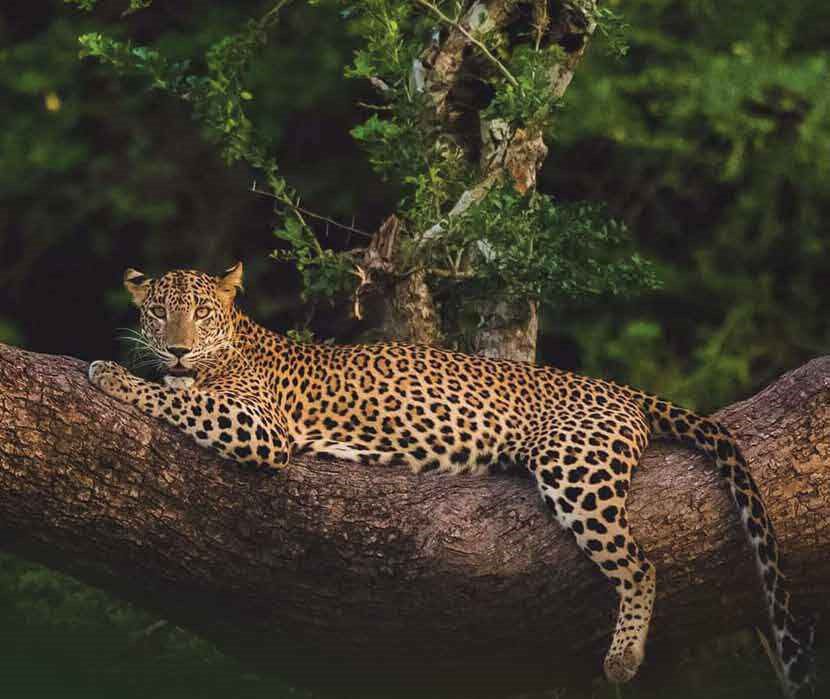
Wilpattu is Sri Lanka’s largest and oldest national park. It is well-known for its Villus, a naturally occurring rainwater lake nestled among thick jungles. Elephants, sloth bears, leopards, and various rare bird species can be found there.
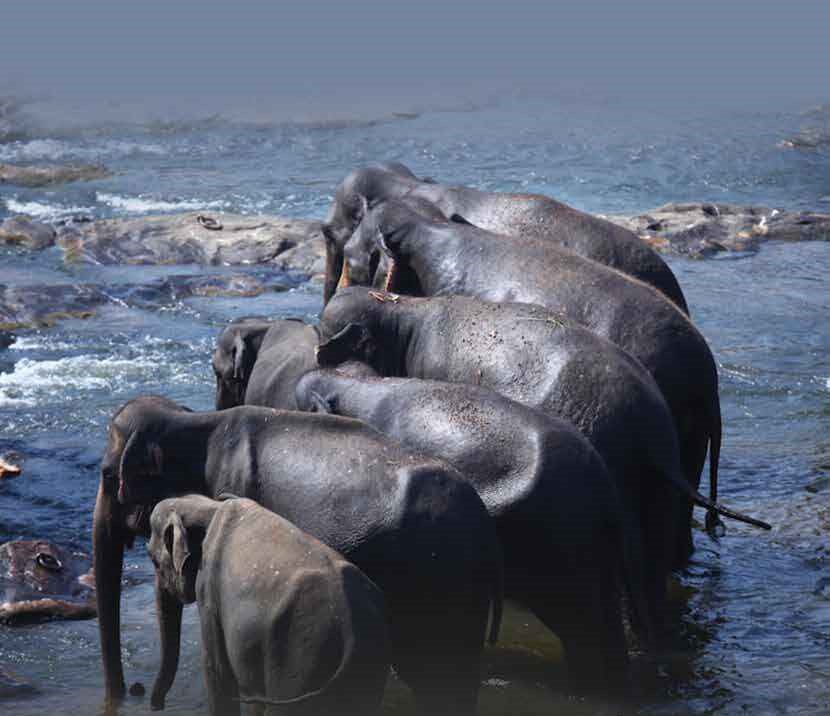
The Mahaweli, the longest river in Sri Lanka, flows into the Bay of Bengal on the southwestern side of the Trincomalee Bay from the central hills. Wild elephants frequently congregate in the Mahaweli waterways to cool off during the dry months.
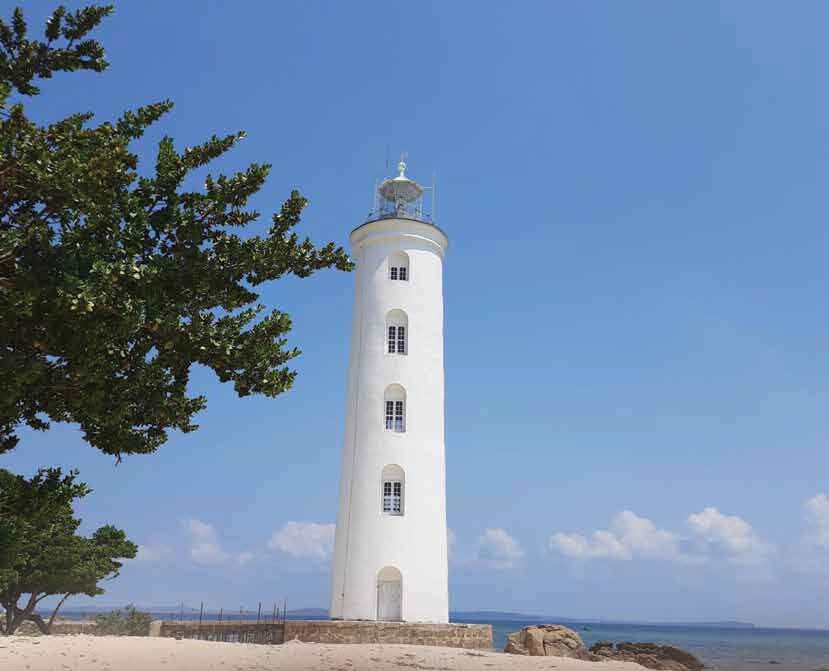
Trincomalee’s first lighthouse, built in 1845 on Flagstaff Point, was replaced by the Foul Point and Round Island lighthouses. Joseph Higgs recommended Foul Point in 1849 for better visibility and safer navigation.
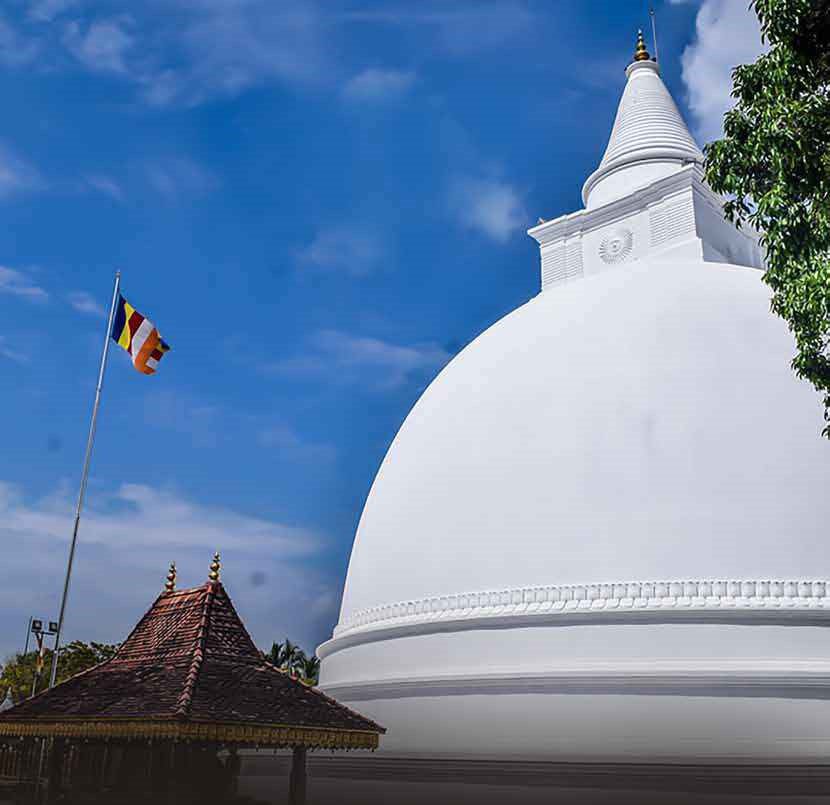
Seruwawila Mangala Raja Maha Vihara, an ancient Buddhist temple in Trincomalee, holds the sacred forehead bone of Buddha. Built during King Kavantissa’s reign (205-161 BC), it’s accessible by sea and land routes.
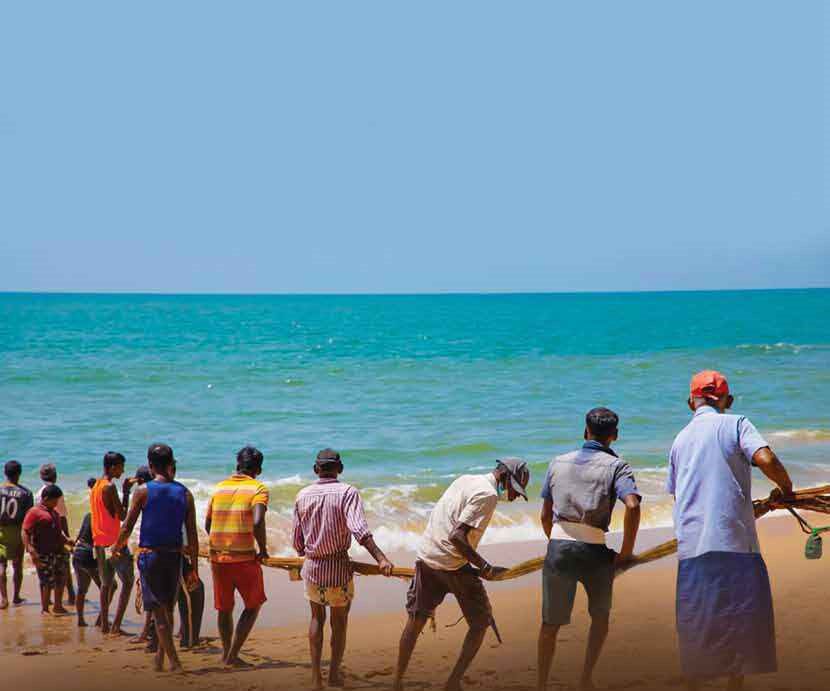
The earliest fishing technique in Sri Lanka is called “Madel” fishing. Two sets of fishermen use a 40-foot rope to drag onshore a net deployed by a boat. Visitors are frequently asked to participate, which makes it an enjoyable but time-consuming activity.
Northern Sri Lanka, once impacted by the separatist conflict, is now home to natural beauties like the Kokkilai Bird Sanctuary. This sanctuary displays the nation’s abundant biodiversity and was recently recognised as a refuge.
At Ritigala, in the middle of jungle trails, are the tranquil, undisturbed ruins of an ancient Buddhist monastery dating back to the 1st century BC. Located near Habarana, the monastery is a secret treasure trove of Sri Lanka’s ancient past, with more than 70 caverns and a massive granite pool that served the Bhikkhus who resided at Ritigala.
Ancient ruins dating back to the 5th century BC and contemporary life coexist in Anuradhapura, Sri Lanka’s first capital and a UNESCO World Heritage Site. The city is still a revered centre of history and culture, known for its extensive network of Buddhist temples and monasteries.
In 528 BC, two Indian merchants, Thapassu and Bhalluka, were shipwrecked north of Trincomalee and enshrined a Buddha hair relic at Thiriyaya. This sacred site, now Girihadu Seya, is believed to house Sri Lanka’s first pagoda, which was constructed during Buddha’s lifetime.
Located between Habarana and Polonnaruwa, Minneriya National Park is well-known for its varied wildlife and historic Minneriya Tank. “The Gathering” features hundreds of elephants during the dry season who frequent the dried-up tank for succulent fodder.
In 5th century AD, King Kassapa constructed Sigiriya, often known as the “Lion Rock,” a UNESCO World Heritage Site. It is well-known for its historic urban design, frescoes and is close to Dambulla, another historical site. Sigiriya has well laid-out gardens, frescoes, and provide breathtaking views from the 350 m rock surface.
Wilpattu is Sri Lanka’s largest and oldest national park. It is well-known for its Villus, a naturally occurring rainwater lake nestled among thick jungles. Elephants, sloth bears, leopards, and various rare bird species can be found there.
The Mahaweli, the longest river in Sri Lanka, flows into the Bay of Bengal on the southwestern side of the Trincomalee Bay from the central hills. Wild elephants frequently congregate in the Mahaweli waterways to cool off during the dry months.