Experience
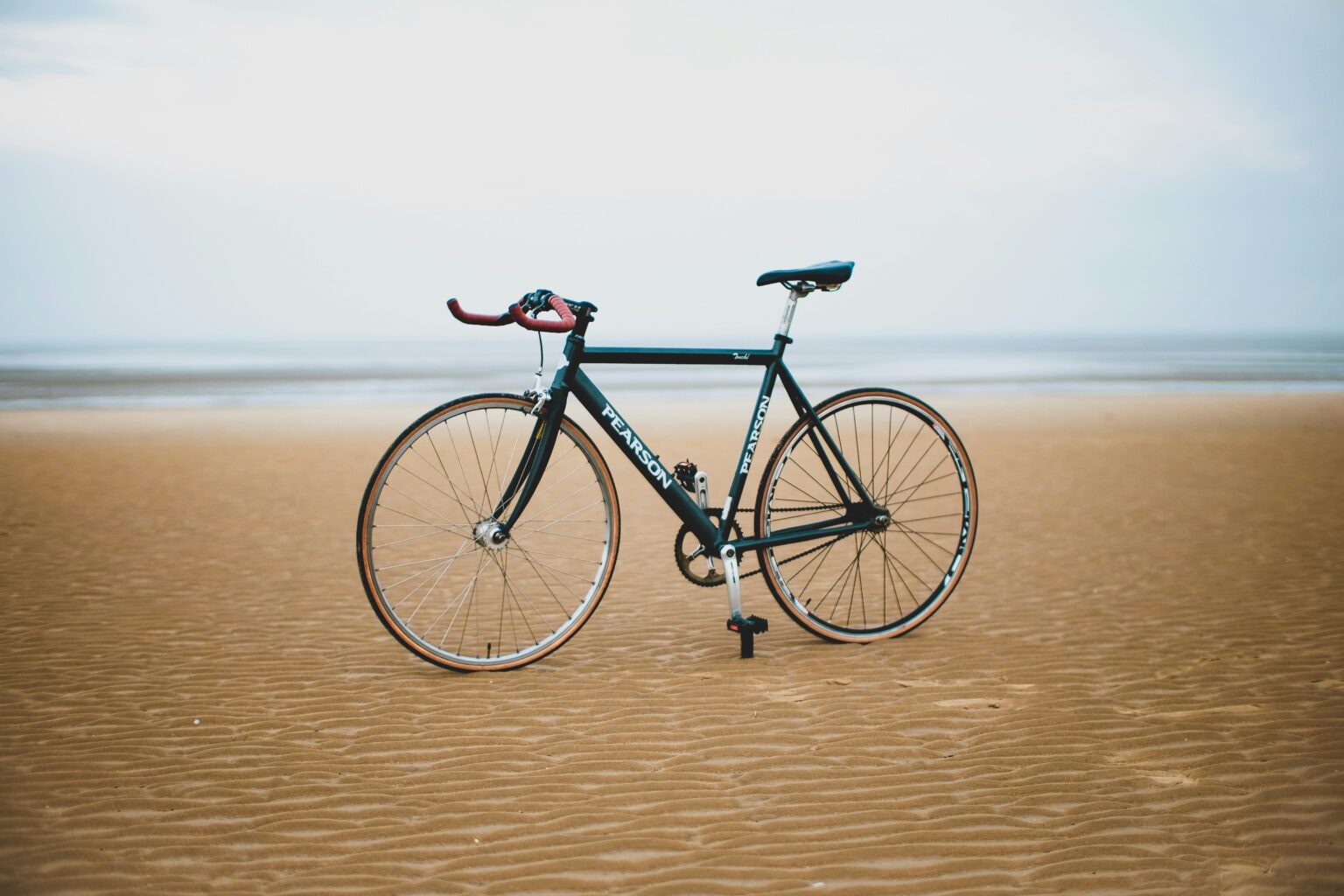
Experience the city of Trincomalee like never before with our bicycle rentals, perfect for families! We offer a range of bicycles, including child-friendly options, so everyone can enjoy exploring the city on two wheels. Ride through scenic streets, discover hidden gems, and immerse yourself in the beauty of Trincomalee while making lasting memories with your loved ones.
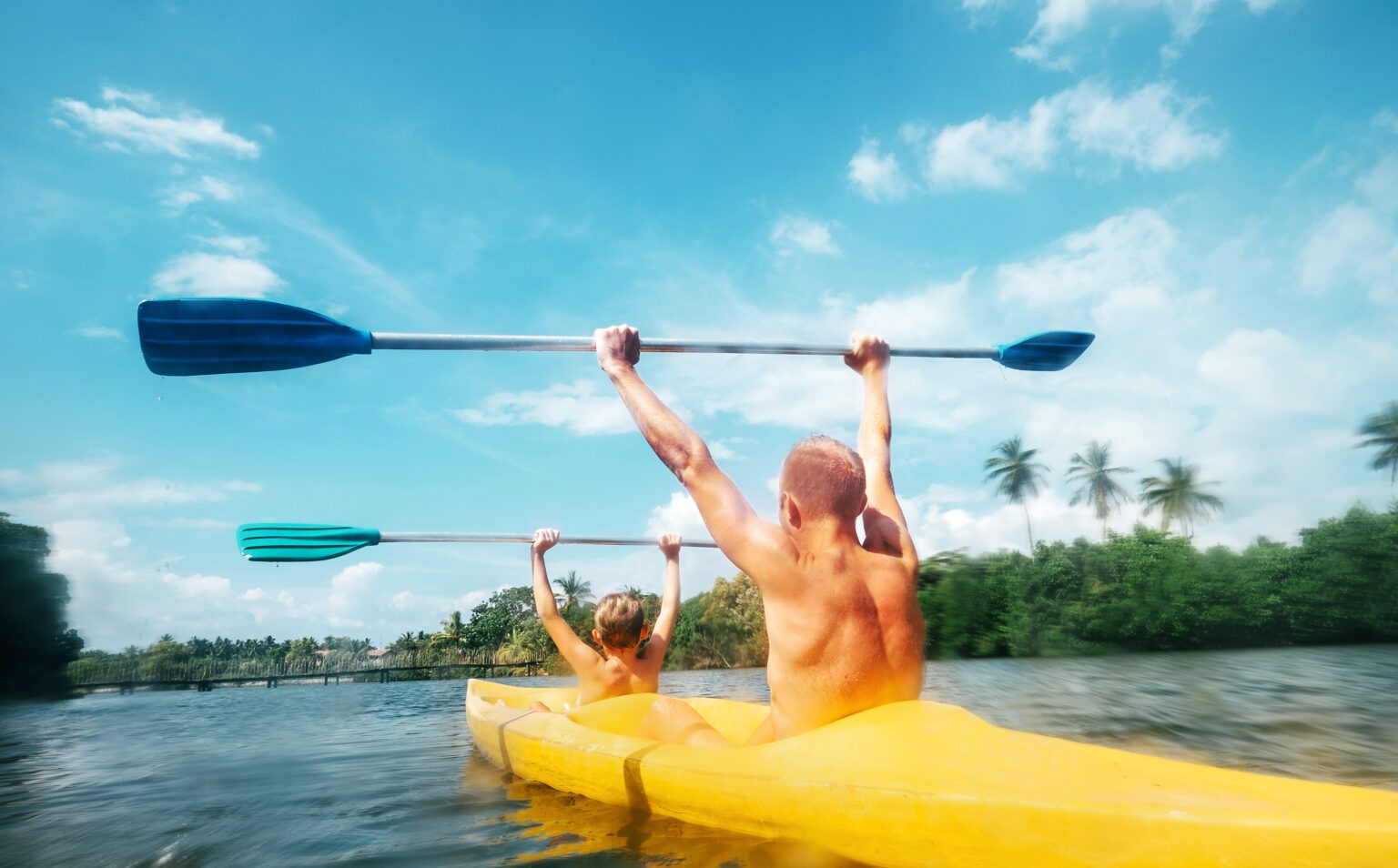
Enjoy a peaceful canoeing and kayaking experience at the scenic Pillaikulam Aru Lagoon beside Amaranthé Bay. Surrounded by lush mangroves and vibrant birdlife, paddle through calm waters and discover hidden mangrove tunnels and stunning natural beauty. It’s a serene journey that blends adventure, relaxation, and exploration in a truly tranquil setting.
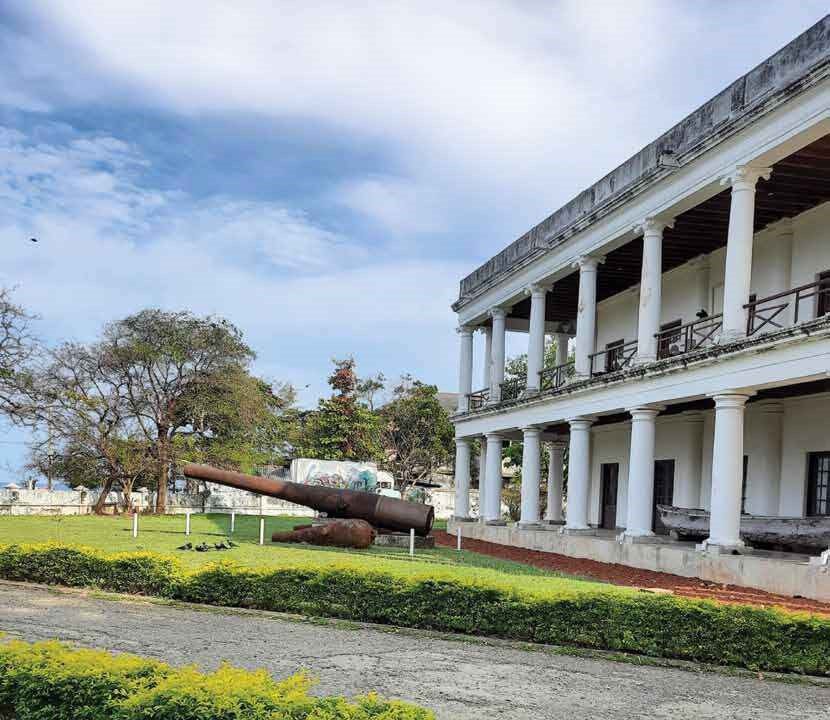
After Singapore surrendered during World War II, Trincomalee became the headquarters of the British Fleet and suffered an air strike by the Japanese .fleet in 1942. Located at the Ostenberg overlooking the harbour, the British era watch tower housing the ‘Heads Tower Museum’ with a 360-degree vantage point recalls memories of the past.
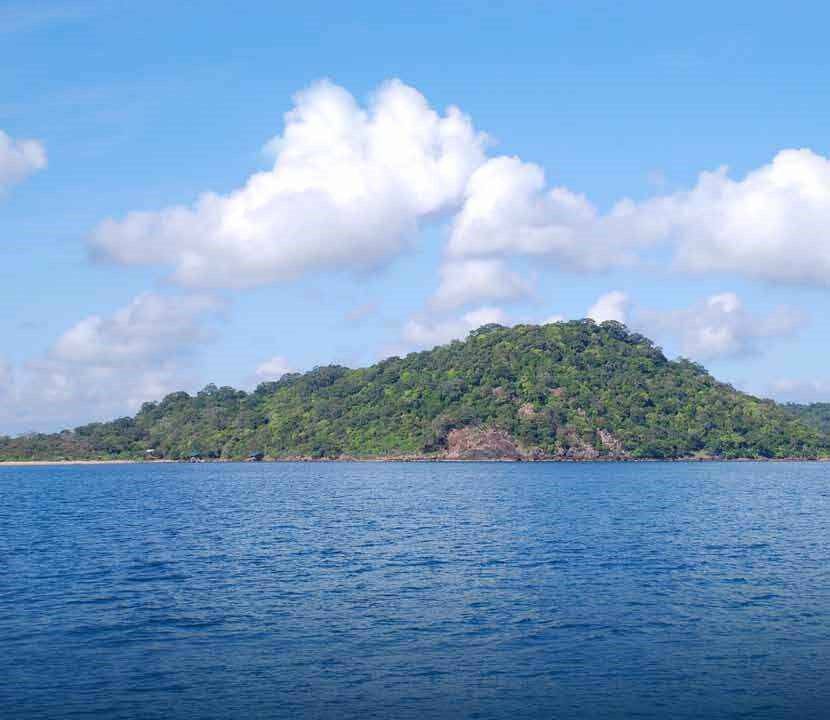
Once a well-kept secret, Sober Island, which is close to Trincomalee Harbour, is a historically significant location. According to legend, King Rajasinghe II of Kandy worked with the French to construct a fort on the island around 1672. The British took over the island after the Treaty of Paris in 1784. Before the British occupation, the Dutch and French fought to claim the island.
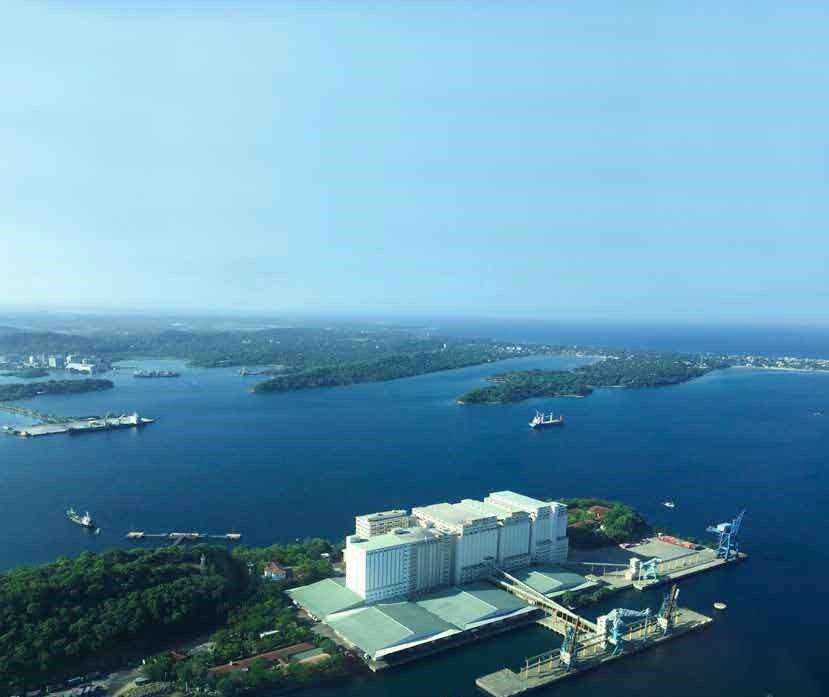
On the Northeastern coast of Sri Lanka is Trincomalee Harbour, one of the biggest natural deep-water harbours in the world. It was a British naval base during World War II and was coveted by several colonial powers: the Portuguese, the Dutch, the French and the British. Since 1957, the Sri Lanka Navy has been in charge of the harbour.
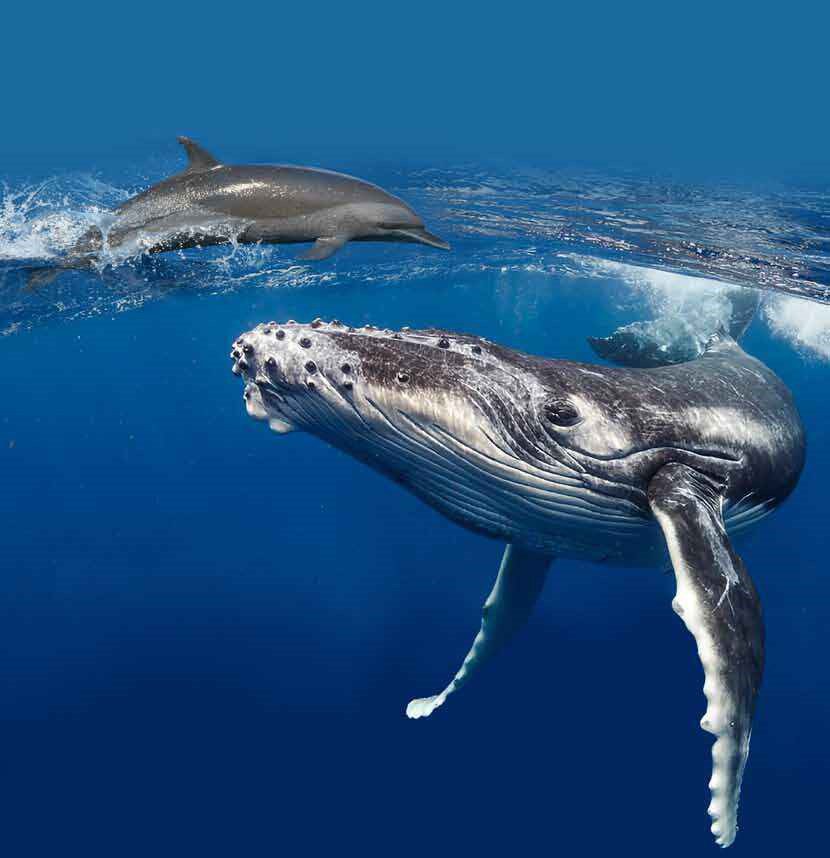
Blue whales, sperm whales, and dolphins can be seen in the deep waters of the Bay of Bengal, making Trincomalee a destination for whale and dolphin watchers. This is a must-do for nature lovers because visitors may see these magnificent animals in their natural environment during their migratory period, which runs from March to April and again in August to September.
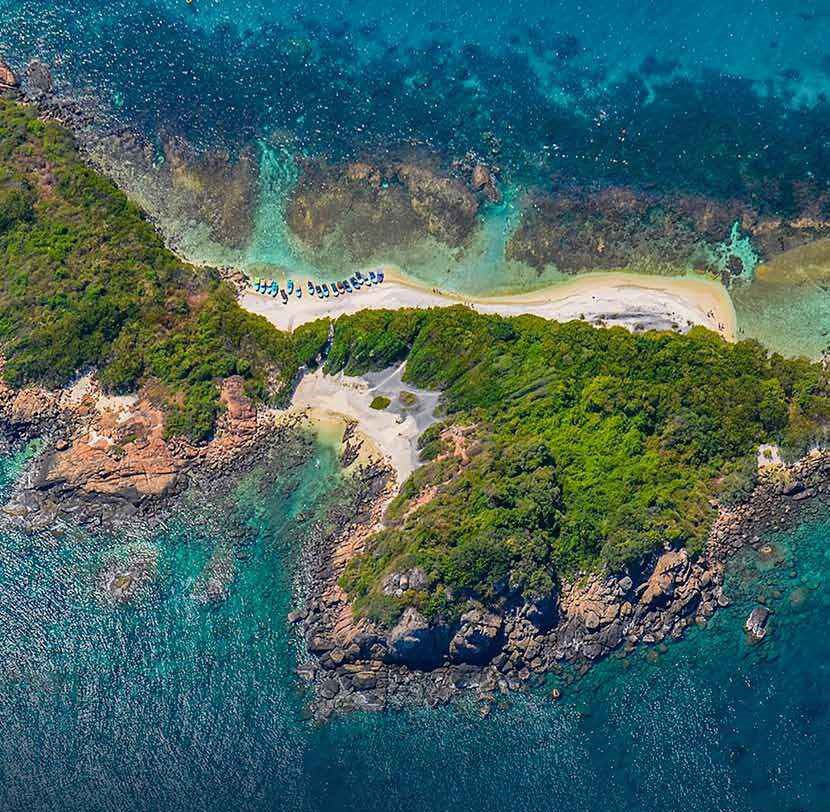
Located North of Trincomalee, Pigeon Island is a thriving marine national park renowned for its coral reefs, pristine waters, and wealth of marine life. The placid waters around the island are well-suited for diving, enjoying multi-hued corals, snorkelling, and soaking up the sun on the immaculate beaches.
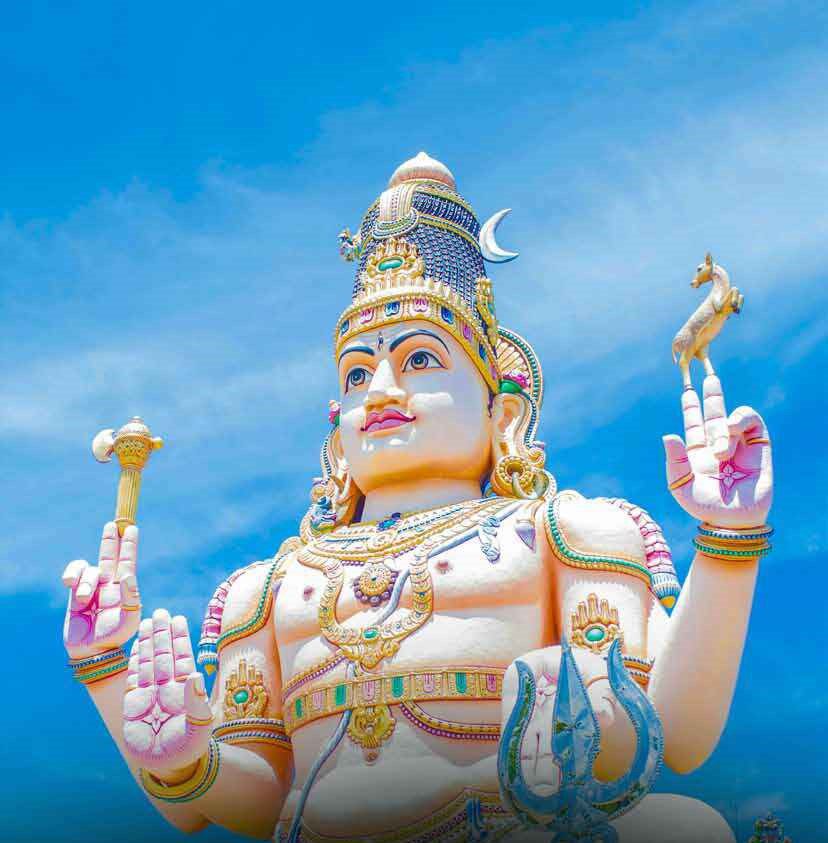
Koneswaram Temple, also known as Thirukonamalai Konesar Temple, is a historic Hindu temple complex in Trincomalee, dating back to 205 BC. Known as the Temple of Thousand Pillars, it was destroyed by the Portuguese in 1622, and its materials were later used to build the nearby Fort Fredrick.
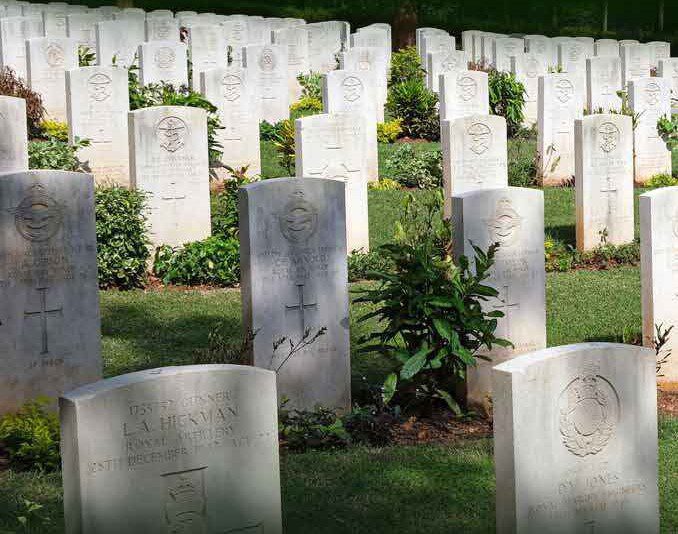
Barely 2 km. from Amaranthé Bay is the British military cemetery in Trincomalee for soldiers of the British Empire who died during World War II.
The picturesque Dutch Beach, widely appreciated for its beauty, is in the Trincomalee city centre. The legendary Dutch Fort is seen from the Trincomalee Dutch Beach. The Fort was initially built by the Portuguese and improved later by the Dutch, from whom the British wrested it over in 1795 and held till the independence of then Ceylon in 1948.
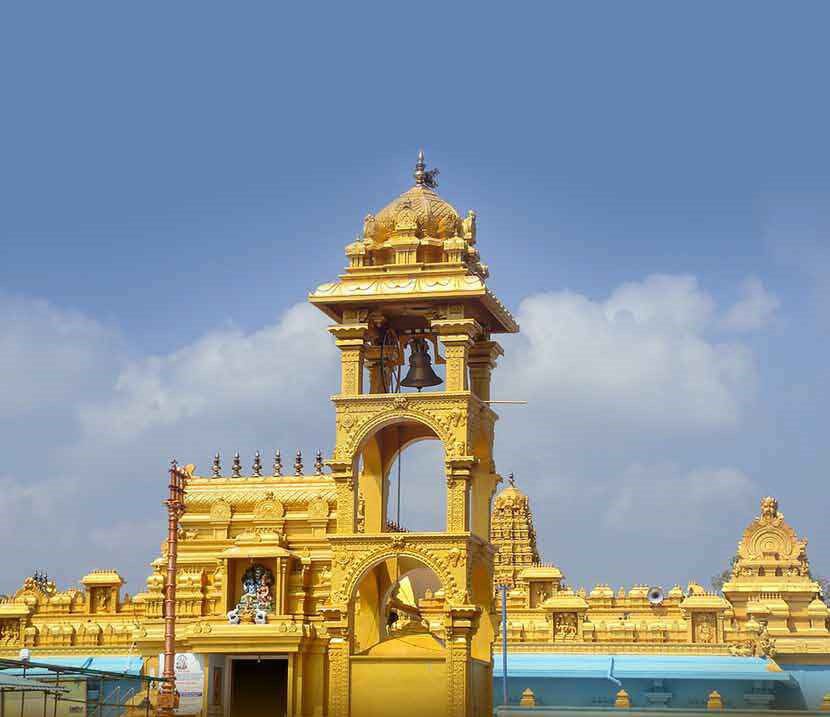
The Lakshmi Narayana Perumal Kovil is a new temple constructed in 2011. It is located 8 km north of Trincomalee, between Upuveli and Neelaveli. The exterior wall is covered with elaborate paintings and sculptures, and it is a reproduction of a temple in South India that houses icons of Vishnu and Lakshmi.
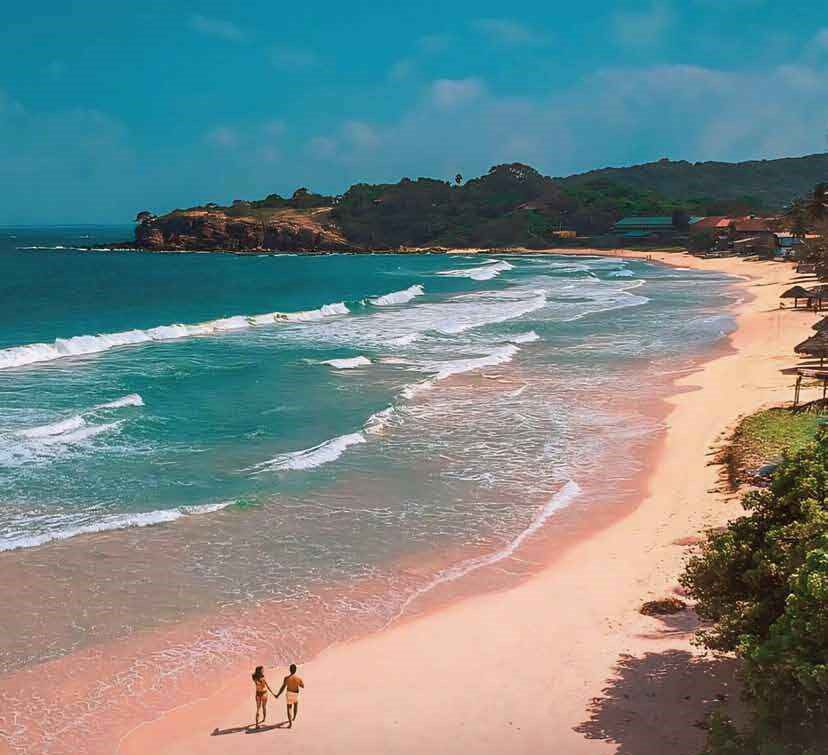
Marble Beach, close to Trincomalee in China Bay, is well-known for its sandy beaches and pristine sea, making it an ideal place for swimming and snorkelling. The beach gets its name from the marble-like gleam of the ocean.
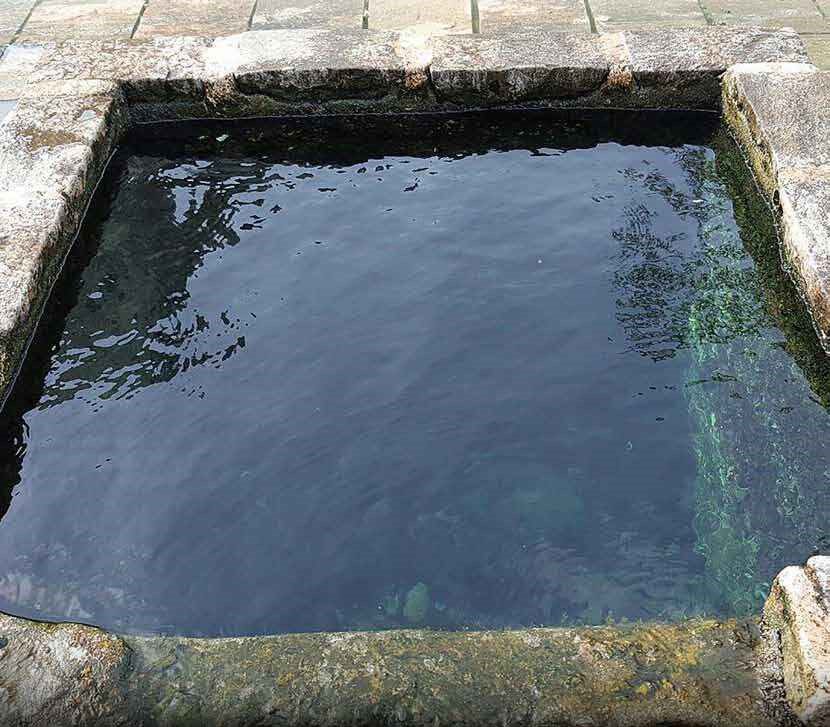
The famous hot wells, located 10 kilometres from Trincomalee, consist of seven square-shaped wells with clear, warm water. According to tradition, they date back to King Rawana’s era, when hot water fountains are said to have emerged after he struck the ground with his sword.
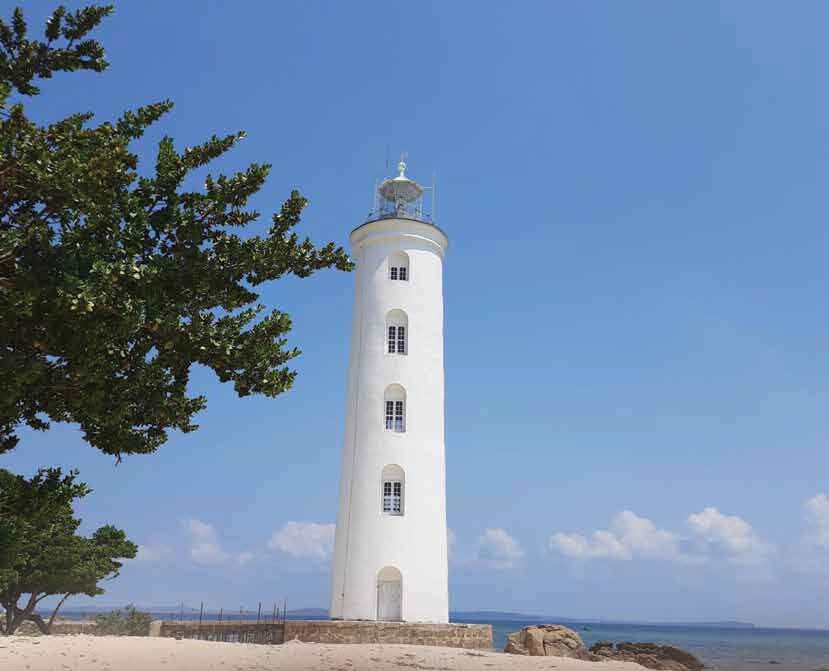
Trincomalee’s first lighthouse, built in 1845 on Flagstaff Point, was replaced by the Foul Point and Round Island lighthouses. Joseph Higgs recommended Foul Point in 1849 for better visibility and safer navigation.
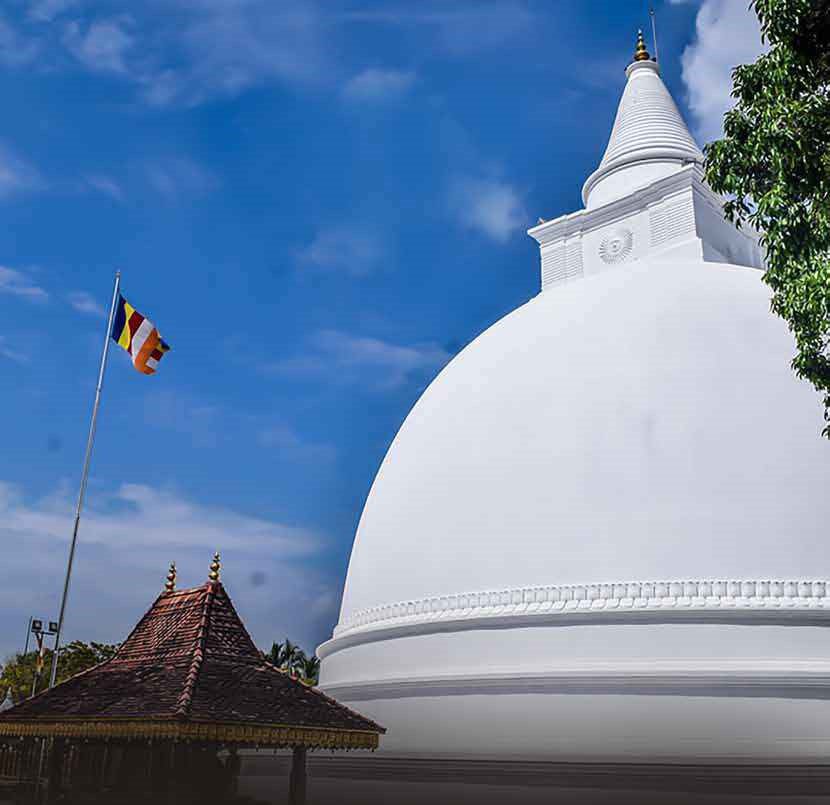
Seruwawila Mangala Raja Maha Vihara, an ancient Buddhist temple in Trincomalee, holds the sacred forehead bone of Buddha. Built during King Kavantissa’s reign (205-161 BC), it’s accessible by sea and land routes.
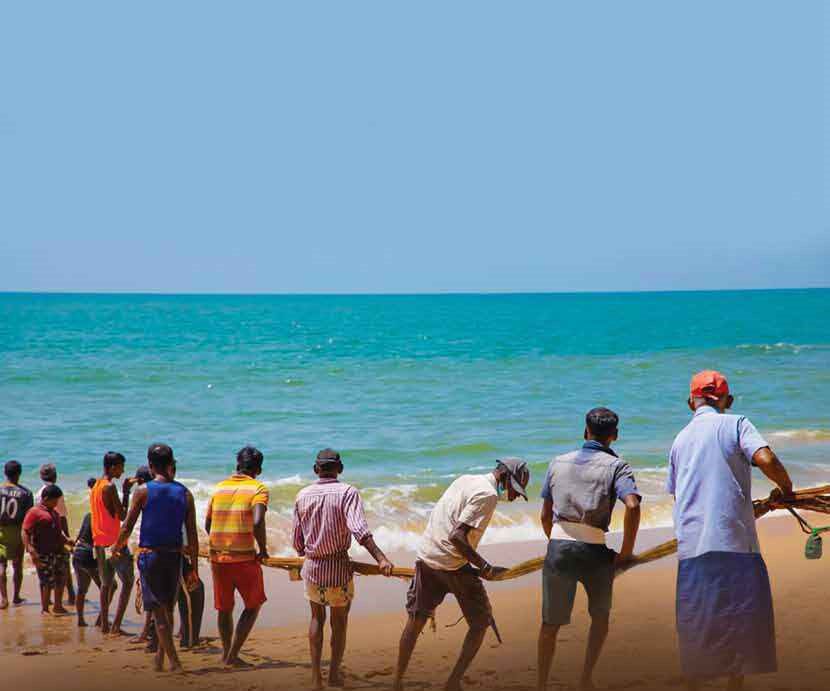
The earliest fishing technique in Sri Lanka is called “Madel” fishing. Two sets of fishermen use a 40-foot rope to drag onshore a net deployed by a boat. Visitors are frequently asked to participate, which makes it an enjoyable but time-consuming activity.
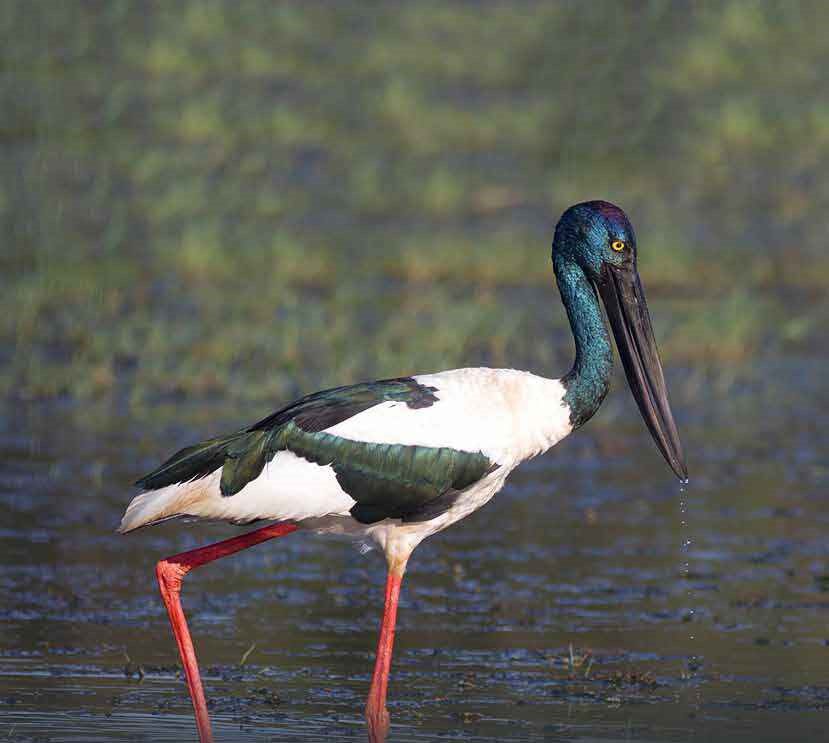
Northern Sri Lanka, once impacted by the separatist conflict, is now home to natural beauties like the Kokkilai Bird Sanctuary. This sanctuary displays the nation’s abundant biodiversity and was recently recognised as a refuge.
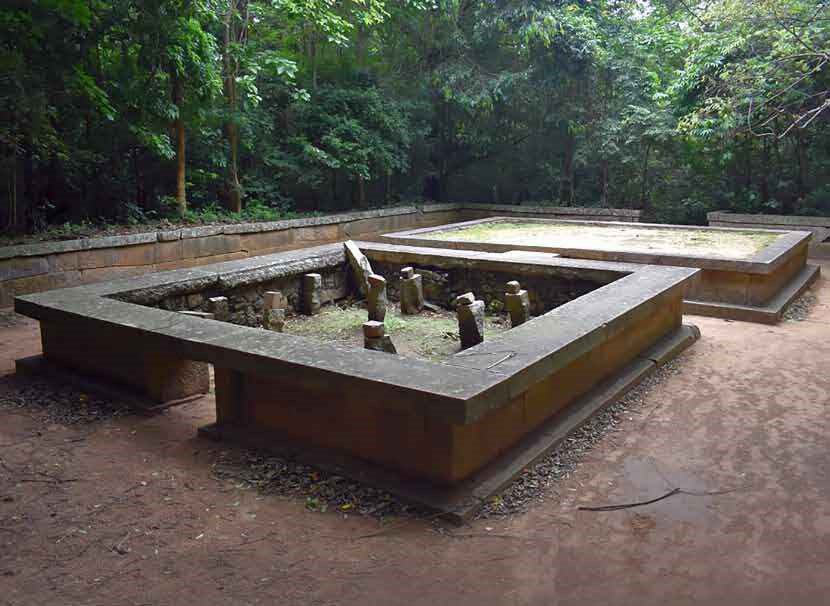
At Ritigala, in the middle of jungle trails, are the tranquil, undisturbed ruins of an ancient Buddhist monastery dating back to the 1st century BC. Located near Habarana, the monastery is a secret treasure trove of Sri Lanka’s ancient past, with more than 70 caverns and a massive granite pool that served the Bhikkhus who resided at Ritigala.
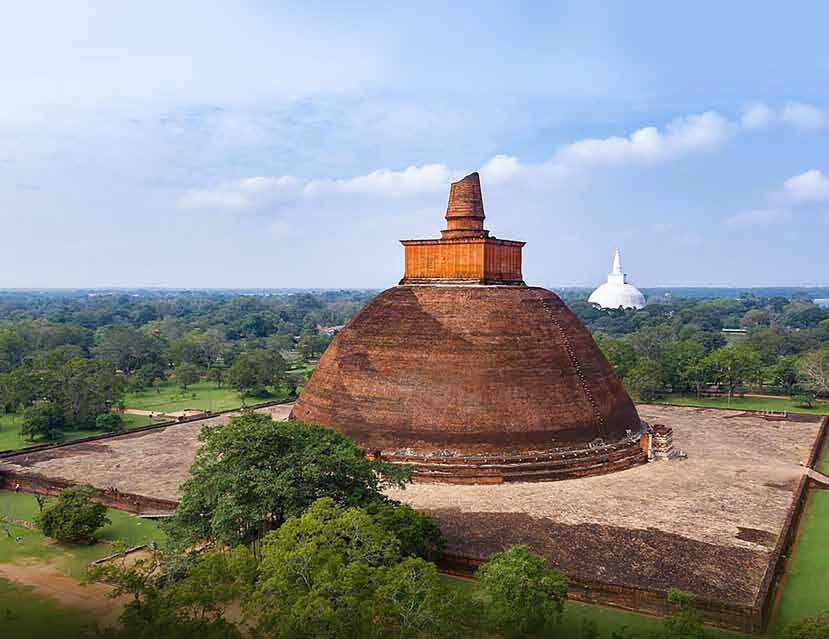
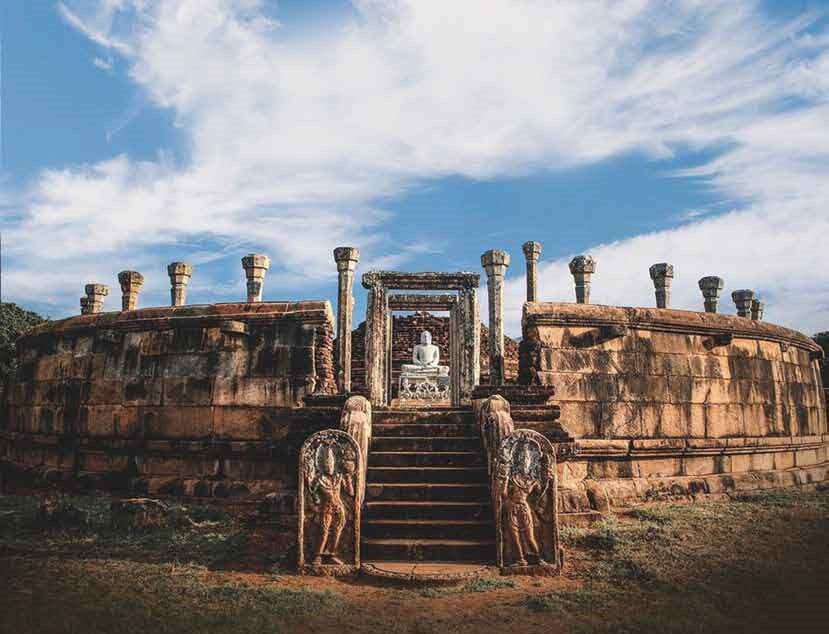
Ancient ruins dating back to the 5th century BC and contemporary life coexist in Anuradhapura, Sri Lanka’s first capital and a UNESCO World Heritage Site. The city is still a revered centre of history and culture, known for its extensive network of Buddhist temples and monasteries.
In 528 BC, two Indian merchants, Thapassu and Bhalluka, were shipwrecked north of Trincomalee and enshrined a Buddha hair relic at Thiriyaya. This sacred site, now Girihadu Seya, is believed to house Sri Lanka’s first pagoda, which was constructed during Buddha’s lifetime.
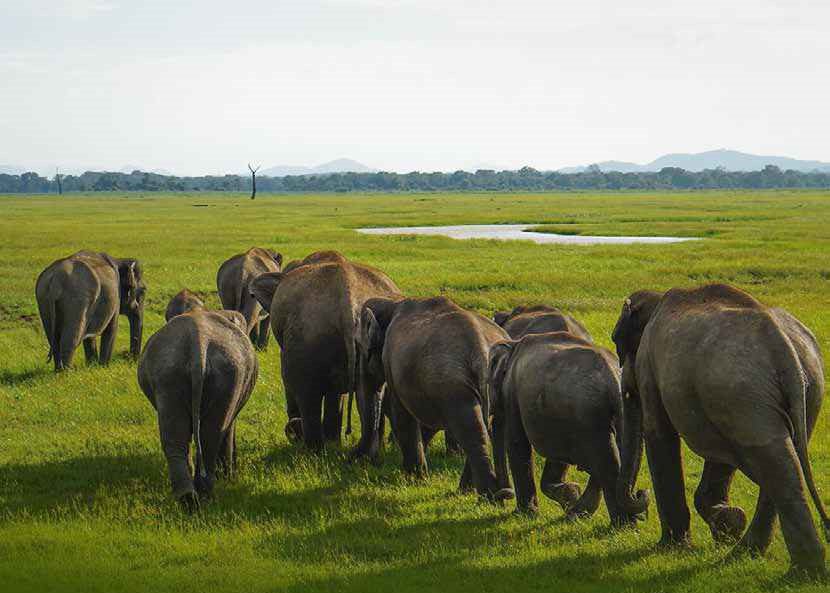
Located between Habarana and Polonnaruwa, Minneriya National Park is well-known for its varied wildlife and historic Minneriya Tank. “The Gathering” features hundreds of elephants during the dry season who frequent the dried-up tank for succulent fodder.
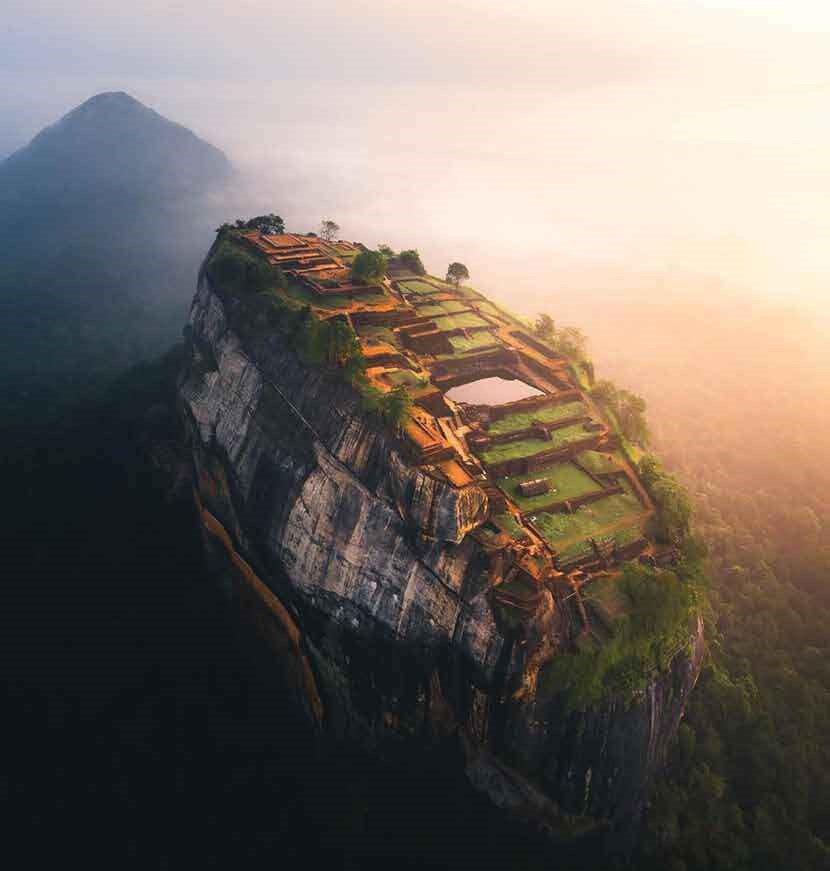
In 5th century AD, King Kassapa constructed Sigiriya, often known as the “Lion Rock,” a UNESCO World Heritage Site. It is well-known for its historic urban design, frescoes and is close to Dambulla, another historical site. Sigiriya has well laid-out gardens, frescoes, and provide breathtaking views from the 350 m rock surface.

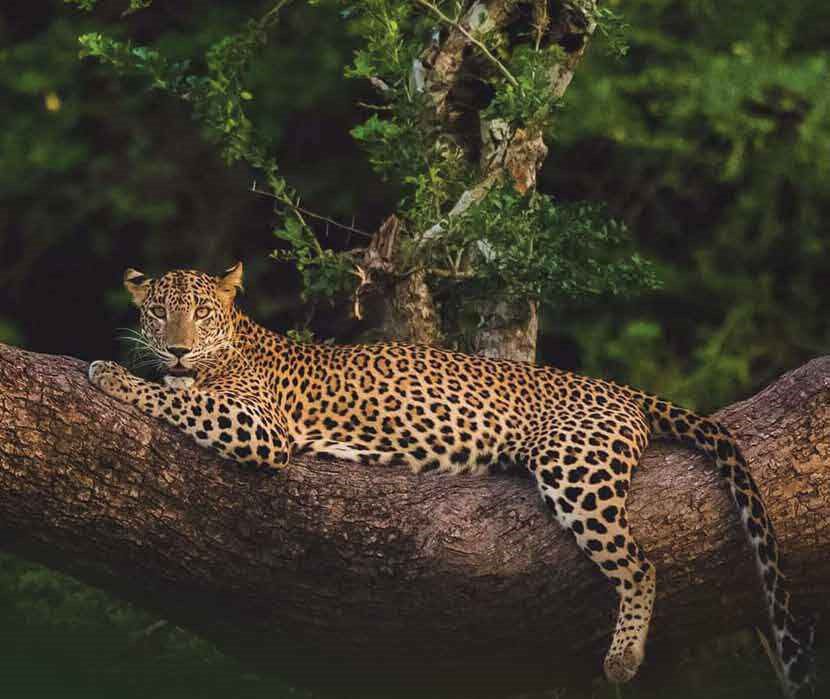
Wilpattu is Sri Lanka’s largest and oldest national park. It is well-known for its Villus, a naturally occurring rainwater lake nestled among thick jungles. Elephants, sloth bears, leopards, and various rare bird species can be found there.
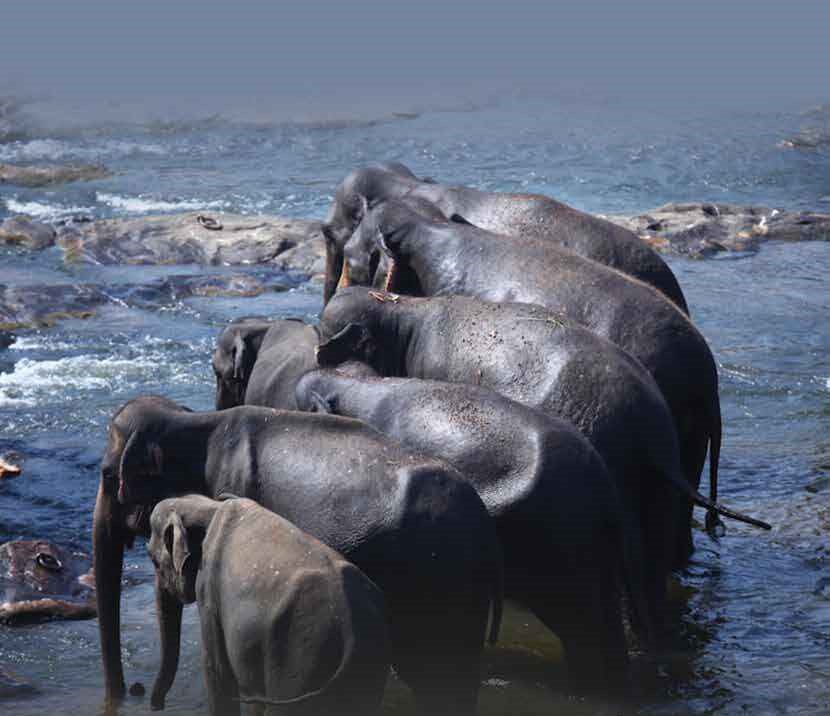
The Mahaweli, the longest river in Sri Lanka, flows into the Bay of Bengal on the southwestern side of the Trincomalee Bay from the central hills. Wild elephants frequently congregate in the Mahaweli waterways to cool off during the dry months.